



Houston lawns don’t usually fail all at once. They fade in patches after a week of triple-digit heat. They thin along driveways where reflected sun bakes the soil. Then, after a stretch of humid nights, a fungus spot shows up just to keep things interesting.
Homeowners in Houston Heights, Inner Loop, West University Place, and River Oaks see this cycle every year — often while thinking, “I’m watering. I’m mowing. Why does my lawn still look tired?”
The truth is that effective Houston lawn maintenance service isn’t about a perfect checklist. It’s about smart adjustments in a climate that doesn’t behave politely. Heat, humidity, clay-heavy soils, sudden downpours, mature tree canopies, and long growing seasons all demand a more responsive approach.
The goal isn’t just green grass. It’s turf that stays dense, drains properly, resists disease, and still looks intentional when summer does what it always does.
Start With the Grass Type (Because the Rules Change)
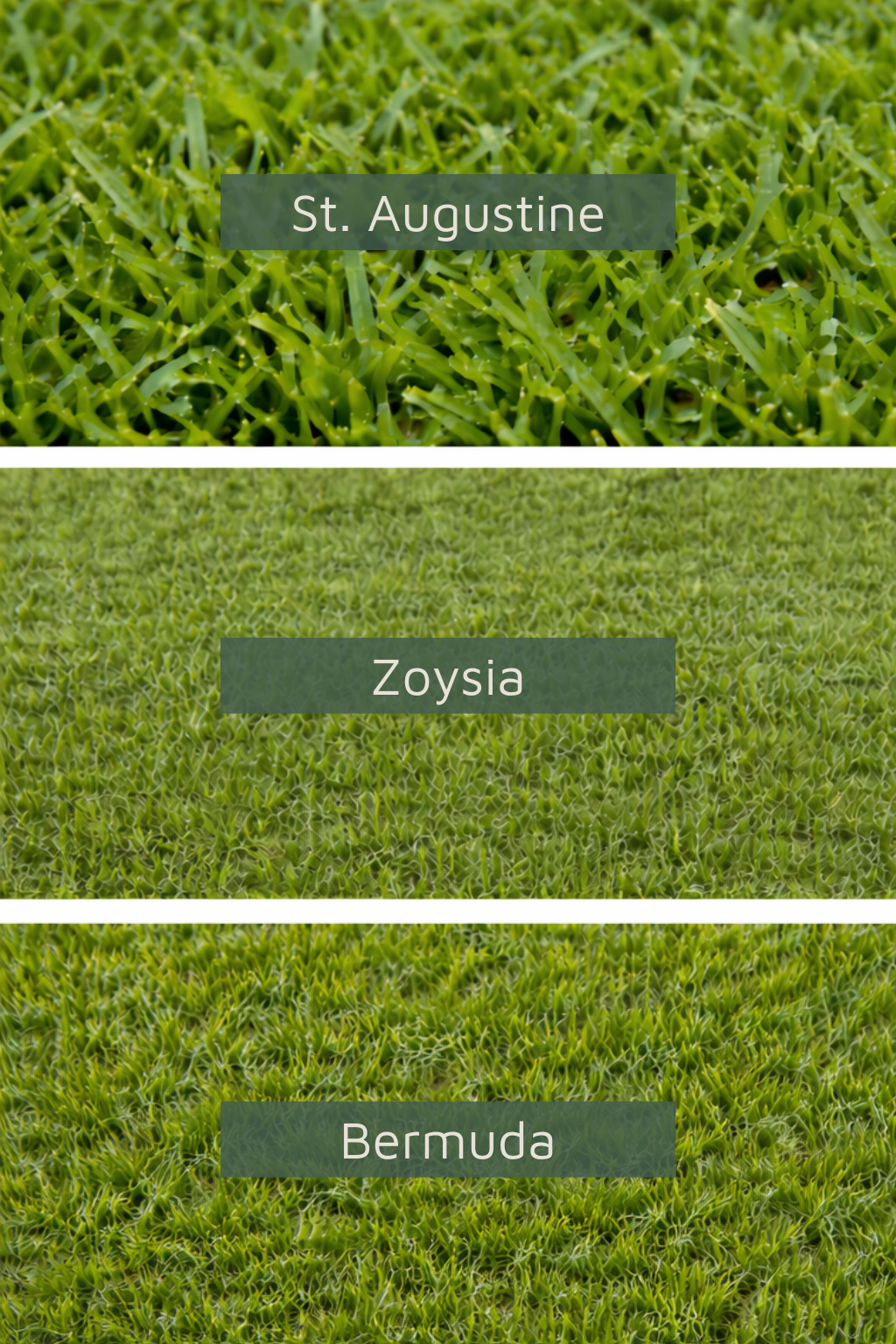
Houston’s most common turf types — St. Augustine, Bermuda, and Zoysia — can look similar from the street, but they behave very differently under stress.
St. Augustine thrives in sun to part shade and delivers the lush look many Inner Loop homeowners prefer. It’s also more prone to fungal issues when moisture lingers overnight and struggles if mowed too short. Bermuda loves full sun and recovers quickly, but it shows stress fast when watering is inconsistent and can thin out in shaded yards. Zoysia offers density and refinement, tolerates heat well, and can be lower-maintenance once established — but it recovers slowly from damage and can thatch if overfed.
Many “mystery lawn problems” aren’t neglect at all. They’re simply a mismatch between care habits and grass type.
Mow for Root Health, Not Just Curb Appeal
Mowing is one of the most underestimated tools in Houston lawn care. Cutting too short looks crisp for about 48 hours — then the lawn heats up, moisture evaporates faster, and roots stay shallow.
For St. Augustine, a higher mowing height creates a cooler canopy and naturally suppresses weeds. Bermuda can be maintained shorter, but only with consistent watering and frequency; otherwise it scalps and thins. Across all turf types, removing more than about one-third of the blade length at once shocks the lawn and opens space for weeds.
Sharp mower blades matter more than most homeowners realize. Dull blades tear grass instead of cutting it cleanly, leaving frayed tips that lose moisture quickly and invite disease — especially during humid Houston nights.
Water Like a Houstonian: Deep, Early, and Soil-Aware
Houston can deliver a week of heavy rain and then pivot straight into dry heat. That’s why rigid irrigation schedules tend to fail.
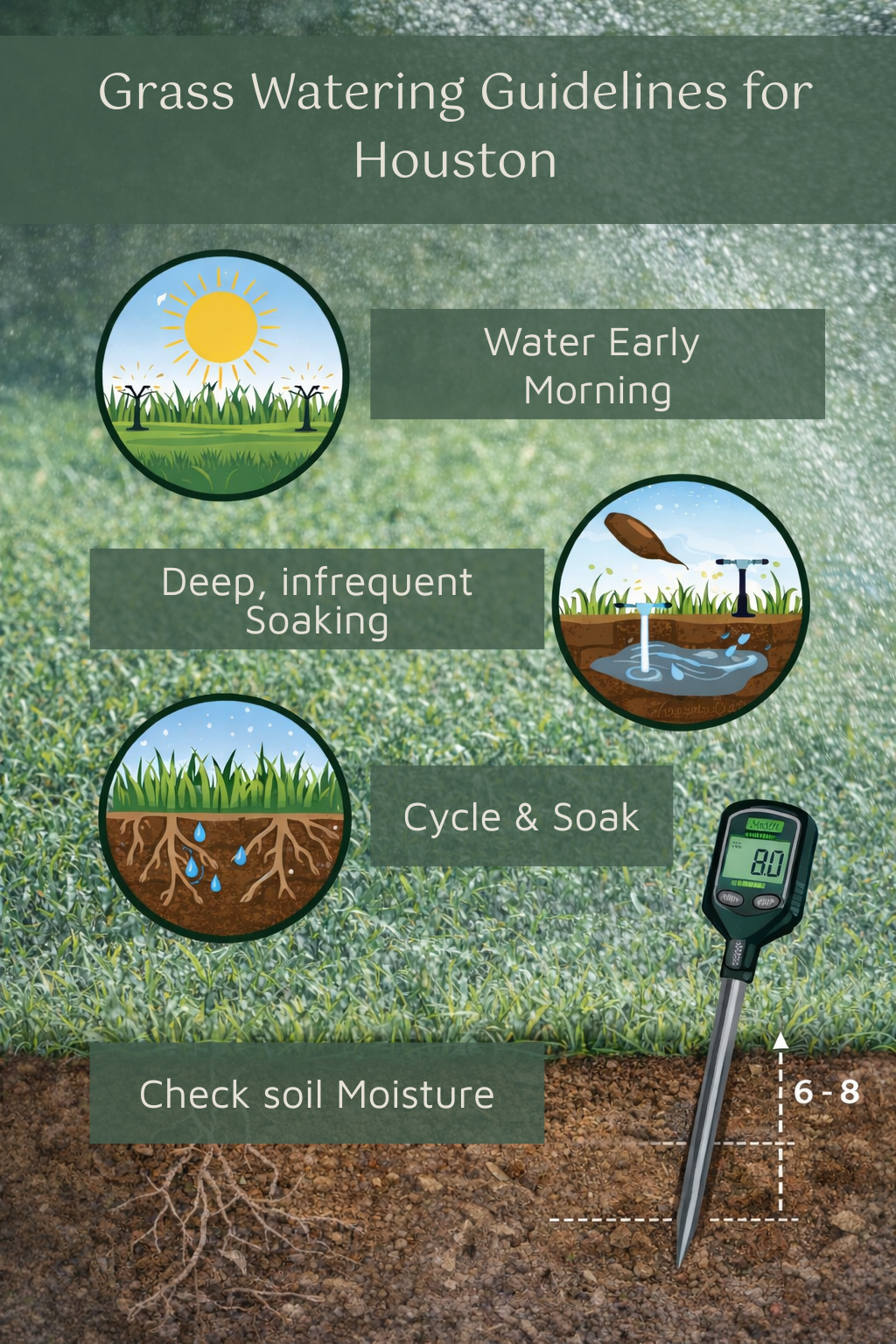
The most effective approach is deep, infrequent watering — adjusted for weather and soil behavior. Early morning watering reduces evaporation and gives blades time to dry, lowering disease pressure. Evening watering often keeps grass wet overnight, which is when fungal issues take advantage of humidity.
Clay soils common in the Heights, West U, and River Oaks absorb water slowly. Long irrigation cycles often lead to runoff down the driveway instead of moisture at root depth. In those cases, cycle-and-soak watering — shorter runs with breaks — allows water to infiltrate properly.
A simple test: push a screwdriver into the soil a few hours after watering. If it slides in several inches easily, water reached the roots. If it stops quickly, moisture likely ran off or evaporated.
Feed the Lawn — Don’t Force It
Fertilizing in Houston is about supporting steady growth, not chasing neon green. Over-fertilizing creates fast top growth that demands more mowing and water, and it increases disease susceptibility during humid periods.
Warm-season grasses respond best when they’re actively growing. Heavy feeding during extreme heat can stress turf rather than help it. Slow-release nutrients promote even growth, while quick-release products can spike color briefly and then fade.
Shaded lawns under mature oaks — common across Inner Loop neighborhoods — will never behave like full-sun Bermuda lawns, no matter how much fertilizer is applied. In those areas, improving airflow and light through selective pruning often delivers better results than adding more inputs.
Dense Turf Is the Best Weed Control in Houston
Houston weeds are opportunists. The most effective defense is a lawn thick enough to crowd them out.
Pre-emergent treatments can be powerful when timed correctly, but Houston’s warm spells can shift germination windows earlier than expected. Post-emergent products help when used carefully, but blanket applications during summer heat can stress turf.
If weeds keep returning in the same spots, look underneath the symptom. Thin turf, compacted soil, excessive shade, and mowing too short all create openings weeds are happy to exploit.
Watch for Fungus and Insects — Then Respond Precisely
Houston’s humidity makes fungal issues common, especially during warm, wet nights. Yellowing patches, circular thinning, or lesions on blades may signal disease — but similar symptoms can come from chinch bugs, grubs, or irrigation issues.
Treating without proper diagnosis often wastes time and stresses the lawn further. Accurate identification is the difference between a quick recovery and a recurring cycle.
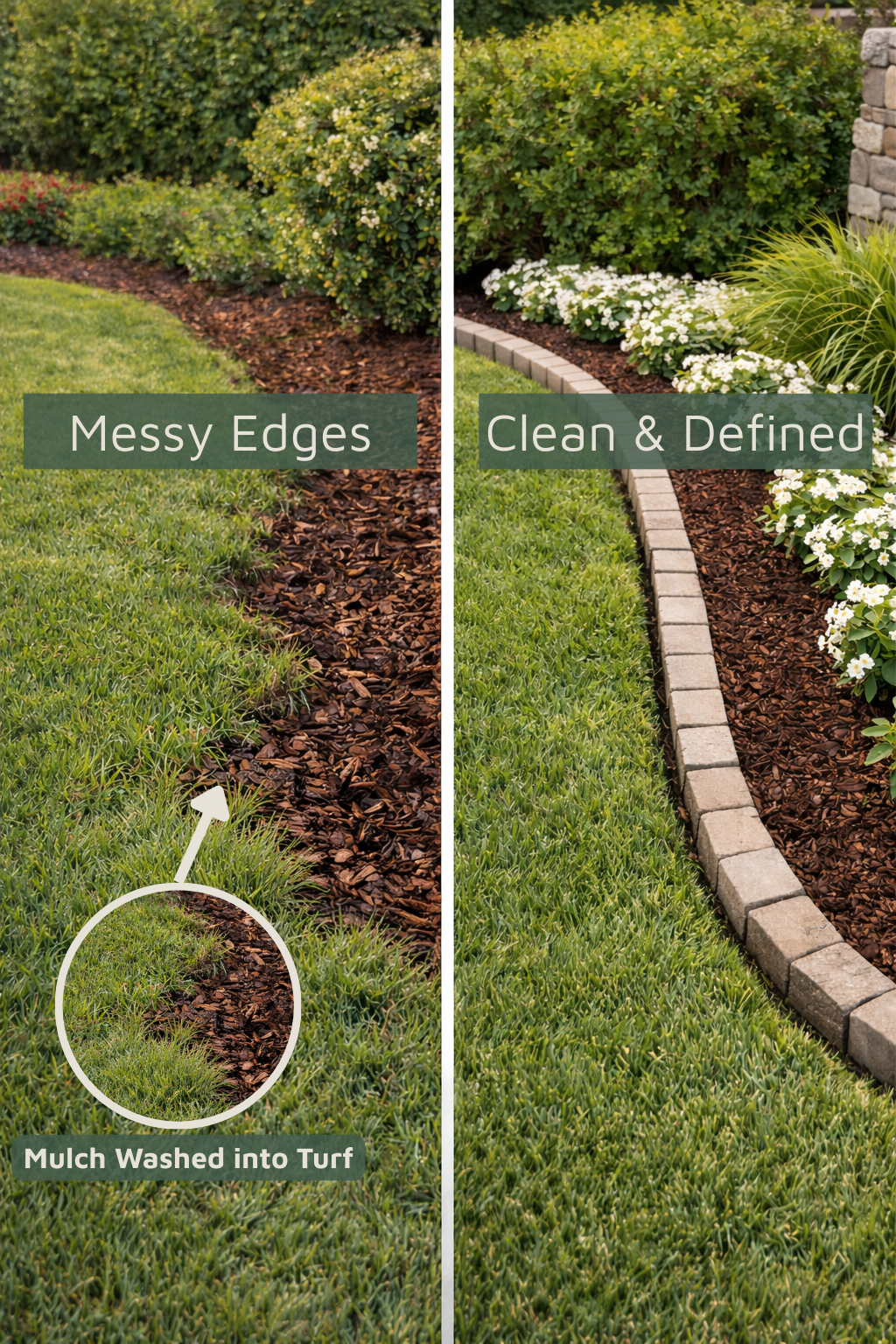
Where Lawns Look “Maintained”: Edges, Beds, and Transitions
A healthy lawn can still look unfinished if edges are messy and beds bleed into turf. Clean mowing lines, crisp edging, and defined bed borders elevate the entire landscape without changing the lawn itself.
In Houston, mulch selection and bed shaping matter. Heavy rains can wash lightweight mulch into turf if edges aren’t properly defined.
This is where lawn care becomes landscape stewardship.
When DIY Lawn Care Stops Being Efficient
Many homeowners can manage weekly mowing and basic watering. Where frustration sets in is the gray area — persistent thin spots, drainage issues, recurring weeds, or lawns that look great in one section and stressed in another.
That’s when a tailored Houston lawn maintenance service makes sense.
Strong Landscaping provides ongoing lawn and landscape maintenance designed for Houston’s established neighborhoods, accounting for turf type, tree canopy, soil behavior, and how each property is actually used.
FAQ -- Houston Lawn Maintenance
What is the best lawn maintenance schedule for Houston?
There isn’t a single schedule that works year-round in Houston. Effective lawn maintenance depends on grass type, soil conditions, shade, and weather patterns. In general, lawns require more frequent mowing and careful watering during the long growing season, with adjustments during extreme heat, heavy rain, and cooler months. The key is responding to conditions rather than following a rigid calendar.
Why does my Houston lawn look stressed even though I water regularly?
In many Houston lawns, the issue isn’t how often you water — it’s how deeply the water penetrates. Clay-heavy soils absorb water slowly, which can cause runoff and shallow root growth. Lawns may look watered on the surface but remain dry at root depth. Compaction, poor drainage, or uneven irrigation coverage are also common causes.
How do I know which grass type I have?
The three most common grass types in Houston are St. Augustine, Zoysia, and Bermuda. St. Augustine has broad, coarse blades and spreads with above-ground runners. Zoysia is dense with finer blades and a uniform appearance. Bermuda has thin, wiry blades and spreads aggressively in full sun. Correct identification is important because mowing height, watering, and fertilization needs differ significantly.
How often should I mow my lawn in Houston?
Mowing frequency should follow growth, not the calendar. During peak growing months, this may mean mowing more often to avoid removing too much blade length at once. Cutting more than one-third of the blade in a single mowing can stress turf and invite weeds. Keeping mower blades sharp is especially important in Houston’s humid conditions.
When is the best time of day to water a Houston lawn?
Early morning is the best time to water in Houston. It reduces evaporation and allows grass blades to dry during the day, lowering the risk of fungal disease. Evening watering often keeps turf wet overnight, which encourages fungus in warm, humid weather.
Why do weeds keep coming back in the same areas?
Recurring weeds usually indicate underlying problems such as thin turf, compacted soil, excessive shade, or mowing too short. Weeds take advantage of stressed or open areas. Improving turf density and correcting those conditions often reduces weed pressure more effectively than repeated chemical treatments.
What causes fungus in Houston lawns?
Fungal issues are common due to warm nights, high humidity, and prolonged leaf wetness. Overwatering, poor airflow, dull mower blades, and excessive nitrogen can all increase disease risk. Proper watering timing and accurate diagnosis are essential before applying treatments.
Is fertilizing more often better for Houston lawns?
No. Over-fertilizing can lead to excessive top growth, higher water demand, and increased disease susceptibility. Slow-release fertilizers applied at the right time support steady growth without stressing turf, especially during periods of extreme heat.
When should I consider professional lawn maintenance?
If your lawn has recurring thin spots, drainage problems, uneven growth, or issues that return despite regular care, professional maintenance can be more efficient than trial-and-error fixes. A tailored plan that accounts for grass type, soil behavior, shade, and irrigation coverage often delivers better long-term results.